
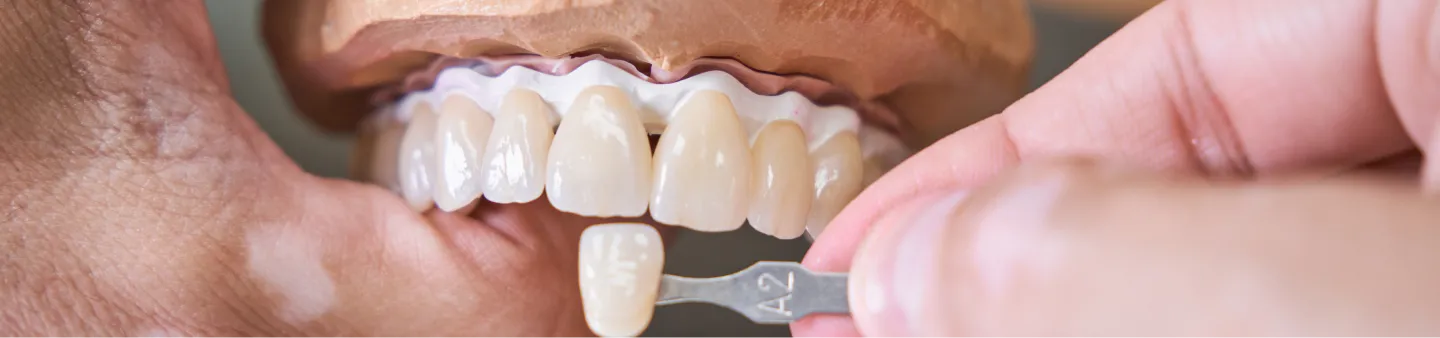
Dental bonding helps restore chipped, discolored, or uneven teeth with tooth-colored composite resin. At Parkview Dental & Prosthodontics, this minimally invasive cosmetic treatment can improve symmetry and close small gaps while protecting delicate enamel. Patients searching for dental bonding in North Haledon, New Jersey, will find clear information here on when bonding is recommended, how the procedure works, benefits, care, and how long results typically last.
Dental Bonding Explained
Dental bonding is the placement of a moldable composite resin onto a tooth to repair minor flaws or change its shape and shade. The material is color-matched to blend with nearby teeth and is then sculpted, hardened with a curing light, and polished to a natural luster. It is commonly chosen for chipped tooth bonding, masking stains that do not respond to whitening, closing small diastemas (spaces), and reshaping teeth that appear too short or uneven.
Because bonding involves little to no removal of enamel, it is considered a conservative option compared with porcelain veneers or crowns. It is well suited for front teeth with small defects and for patients who want faster, same-day improvements. For larger fractures or significant wear, veneers or crowns may be recommended instead. Discussing dental bonding vs. veneers can help clarify which treatment aligns with your goals and bite function.
Benefits of Dental Bonding
Quality care tailored to your needs.
- Conservative treatment that preserves most natural enamel.
- Single-visit procedure for many cases, often in under an hour per tooth.
- Natural-looking results through precise shade matching and polishing.
- Versatile solution for chips, small gaps, discoloration, and minor shape issues.
- Repairable and reversible since minimal tooth structure is altered.
- Often more affordable than veneers or crowns for comparable minor concerns.
Have Questions? We're Here to Help.
Our team is happy to discuss your options and create a plan tailored to your needs.
How Dental Bonding Works
Although each case is unique, the steps below describe how dental bonding is performed and how the procedure works from start to finish.
- Assessment and planning. The tooth is examined, photos may be taken, and a shade is selected to match your smile.
- Minimal preparation. The enamel surface is cleaned and lightly etched to help the resin adhere; anesthesia is used only if needed.
- Layering the composite. A tooth-colored resin is applied in layers and sculpted to the desired contour.
- Light curing. A special light hardens each layer within seconds.
- Shaping and polishing. Final contours are refined and the surface is polished for a smooth, lifelike gloss.
- Bite check. The bite is adjusted as needed to ensure comfort and function.
What to Expect Before and After Bonding
Most dental bonding procedures take 30 to 60 minutes per tooth, with little to no downtime. Many patients return to normal activities immediately after the visit. Mild sensitivity can occur for a day or two, especially to temperature changes, but it generally resolves quickly.
Composite resin is durable yet not as strong as enamel or porcelain. With proper care, bonding typically lasts 5 to 10 years, sometimes longer, depending on bite forces, tooth location, and habits. To help your results last, follow these tips:
- Avoid biting fingernails, ice, or very hard objects that can chip resin.
- Limit frequent exposure to coffee, tea, red wine, and tobacco to reduce staining.
- Use a custom nightguard if you clench or grind to protect bonded edges.
- Schedule regular cleanings and checkups so minor wear can be polished or repaired early.
Planning to whiten your teeth? Whitening should be completed first, since composite resin does not lighten with bleaching. After whitening stabilizes, bonding is matched to the new shade. If a bonded tooth becomes noticeably darker than adjacent enamel over time, the resin can be polished or replaced to refresh the color.
Candidacy depends on your goals, oral health, and bite. Dental bonding is ideal for small cosmetic corrections. For deeper cracks, extensive decay, or heavy bite stress, veneers, crowns, or orthodontic solutions may provide a stronger and longer-lasting result.
Frequently Asked Questions About Dental Bonding
Yes, small to moderate chips are often excellent candidates. The resin restores lost structure, protects sharp edges, and blends with surrounding enamel.
Shade-matched composite and careful polishing create a seamless appearance. Under normal lighting, bonded areas should be difficult to distinguish from natural tooth.
Most bonding lasts 5 to 10 years, depending on care, location, and habits. Nightguard use and avoiding hard biting can extend longevity.
Dental bonding is typically comfortable. Local anesthesia is used only if the area is sensitive or decay is present.
Whitening gels do not change the color of composite resin. If shade mismatch occurs, the bonded portion can be polished or replaced to match whitened teeth.
Bonding is conservative and completed in one visit but may stain or wear sooner. Veneers are stronger and more stain resistant but require more tooth preparation. If you are considering dental bonding in North Haledon, NJ, contact Parkview Dental & Prosthodontics at 973-423-3399 to schedule a visit with Dr. Sebu Idiculla or Dr. Lori M. Nasif. A short consultation can confirm whether bonding fits your smile goals.
Take the Next Step Toward a Healthier Smile
Contact Parkview Dental & Prosthodontics today. Our team looks forward to helping you achieve the smile you deserve.