
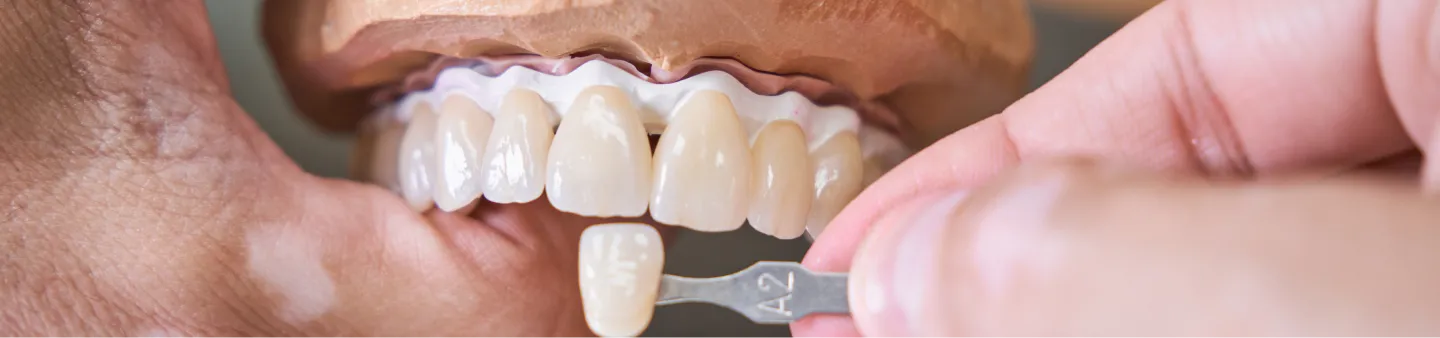
Parkview Dental & Prosthodontics offers an educational look at TMJ treatment in North Haledon, New Jersey, explaining symptoms, causes, diagnostic tools, and conservative therapies patients can expect in a neuromuscular dentistry approach.
About TMJ Treatment
The temporomandibular joints (TMJ) connect the lower jaw to the skull and work with muscles, ligaments, and teeth to help you speak and chew. When these parts fall out of harmony, a TMJ disorder (often called TMD) can lead to jaw pain, headaches, ear symptoms, clicking, or difficulty opening wide. TMJ treatment focuses on reducing strain on the joints and muscles, improving bite alignment, and restoring comfortable function.
Neuromuscular dentistry evaluates how the teeth, jaw joints, and chewing muscles interact. This perspective looks beyond individual teeth to the entire system. By measuring muscle activity, analyzing the bite, and assessing jaw movement, care can be tailored to support a stable, low-stress position for the jaw.
Why Consider TMJ Therapy?
Many patients seek care due to persistent jaw discomfort or related issues affecting daily life. Addressing the root cause can prevent problems from worsening, such as tooth wear or recurring muscle tension. The benefits of TMJ therapy often include better chewing function and more comfortable jaw movement.
- Pain relief for jaw muscles, facial areas, and tension headaches.
- Improved bite stability with less strain on the joints.
- Reduced clicking, popping, or locking episodes.
- Less tooth wear from clenching or grinding.
- Better sleep quality when nighttime grinding is controlled.
Have Questions? We're Here to Help.
Our team is happy to discuss your options and create a plan tailored to your needs.
How TMJ Treatment Works
Care typically begins with a thorough evaluation. Expect a discussion of medical and dental history, a review of symptoms, and a jaw and muscle exam. Imaging, such as panoramic radiographs or 3D scans when indicated, can help evaluate joint structures. Computerized bite analysis and range-of-motion checks may be used to study how your teeth come together and how the jaw moves.
Conservative therapies are usually the first step. Occlusal splint therapy (often called a night guard) helps reduce muscle overuse, protects teeth, and can guide the jaw toward a more comfortable position. Physical therapy exercises, stretches, and heat or ice can ease muscle tension. When inflammation is present, short-term medications may be considered.
If bite imbalance is contributing to the problem, targeted adjustments to the chewing surfaces (equilibration) may help refine how teeth contact. In some cases, orthodontic movement or restorative dentistry can be part of a longer-term plan to support a healthy bite. Surgery is reserved for specific joint conditions that do not respond to conservative care.
Your TMJ Care Journey
Most treatment plans progress in phases. The initial phase focuses on relief and stabilization through splints and home care. The next phase evaluates how symptoms improve and whether additional steps—like bite alignment for TMJ or restorative refinements—would yield lasting comfort. Throughout, the goal is to find a balanced position of the jaw that decreases muscle strain and joint loading.
What To Expect
During the first visit, expect a detailed exam and discussion of possible causes, including muscle overuse, joint inflammation, disc displacement, arthritis, or habits like clenching. A custom appliance may be recommended. Most patients wear a splint at night, and some benefit from daytime use for a defined period. Follow-up visits help monitor progress, fine-tune appliances, and adjust the plan as needed.
Recovery is gradual. Many people notice fewer headaches and less jaw tightness within weeks, while bite-related changes may unfold over several months. Home strategies matter, too. Avoid hard or chewy foods during flare-ups, maintain good posture, and practice gentle jaw exercises as directed. If symptoms worsen, prompt reassessment helps keep care on track.
TMJ Disorders Explained: Key Points
- Common signs include jaw pain, morning soreness, headaches, ear fullness, and clicking or limited opening.
- Causes vary and may include muscle tension, disc issues, arthritis, or bite disharmony.
- Diagnostics may involve imaging, muscle and joint palpation, and computerized bite assessments.
- Therapies favor conservative steps first, such as splints, behavioral changes, and physical therapy.
- Advanced procedures are considered only if conservative measures are not effective.
Frequently Asked Questions About TMJ Treatment
Persistent jaw pain, headaches, clicking or popping joints, ear symptoms, and difficulty opening wide are common. Tooth wear and morning jaw fatigue can also be warning signs.
A custom occlusal splint can reduce clenching, protect teeth, and guide the jaw, but it is often part of a broader plan that may include exercises, habit changes, and bite adjustments.
Many patients feel improvement within several weeks, but complete stabilization can take a few months. Timelines depend on the cause, appliance wear, and home care consistency.
Imaging and computerized bite analysis are used when needed to clarify joint health and bite relationships. These tools help tailor treatment to your specific condition.
Some mild symptoms improve with rest and self-care. Persistent or worsening issues benefit from evaluation to prevent ongoing muscle strain, tooth wear, or joint damage.
Surgery is uncommon and reserved for specific joint conditions that do not respond to conservative measures. Most patients improve with noninvasive therapies. For guidance tailored to your needs, contact Parkview Dental & Prosthodontics at 973-423-3399 to schedule a TMJ evaluation in North Haledon, NJ, with Dr. Sebu Idiculla or Dr. Lori M. Nasif.
Take the Next Step Toward a Healthier Smile
Contact Parkview Dental & Prosthodontics today. Our team looks forward to helping you achieve the smile you deserve.