
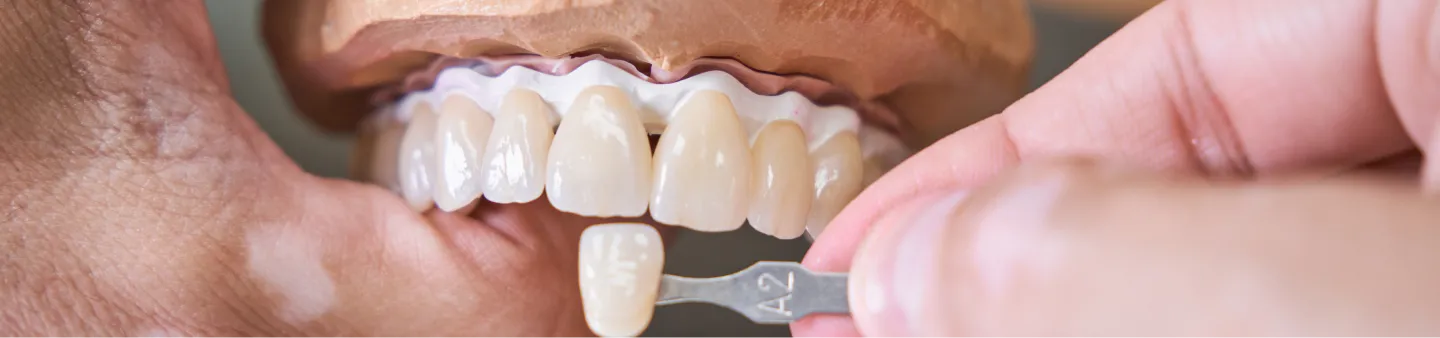
Teeth whitening in North Haledon, New Jersey, is a conservative cosmetic dentistry option that brightens natural enamel by lifting stains and discoloration. At Parkview Dental & Prosthodontics, this guide explains how professional whitening works, who it helps, and what to expect from in-office and take-home approaches.
About Professional Teeth Whitening
Professional teeth whitening uses dentist-dispensed bleaching gels to lighten tooth color safely and predictably. Stains can be external (from coffee, tea, red wine, or tobacco) or internal (age-related darkening or stains within the tooth). In-office and custom take-home whitening trays address both types to varying degrees, with stronger gels and tailored application compared to over-the-counter strips.
ZOOM!® One-Hour In-Office Whitening
ZOOM!® in-office whitening uses a professional whitening gel under clinical supervision. Soft tissues are protected, and the gel is applied in controlled intervals during an appointment that is generally planned for about one hour. Results and appointment length vary by starting shade, sensitivity and individual treatment needs.
LUMIBRITE® Take-Home Whitening
LUMIBRITE® take-home whitening pairs dentist-directed gel with trays used at home according to the instructions provided by our team. The approach brightens more gradually and allows whitening to fit into your schedule. Recommended wear time, treatment length and touch-ups depend on the prescribed system and your response.
Benefits of Professional Teeth Whitening
Quality care tailored to your needs.
- Predictable results from gels selected for your shade, enamel, and sensitivity.
- Faster improvements compared with most store-bought products.
- Customized coverage for even whitening from edge to edge.
- Supervised care that supports teeth whitening safety and comfort.
- Flexible options, including in-office treatment and take-home whitening trays.
- Conservative enhancement that preserves natural tooth structure.
Have Questions? We're Here to Help.
Our team is happy to discuss your options and create a plan tailored to your needs.
How Teeth Whitening Works
Bleaching gels release oxygen that breaks apart stain molecules within the enamel and dentin. This process does not remove enamel; instead, it changes how teeth reflect light. A typical in-office visit lasts about 60 to 90 minutes, often with two to four gel applications. Custom tray whitening works more gradually with daily wear until the target shade is reached.
Results vary by stain type and starting shade. Yellow and brown surface stains tend to respond best. Gray or deep intrinsic discoloration may require multiple sessions, combined approaches, or alternative cosmetic options such as bonding or veneers.
What to Expect Before and After Whitening
A short evaluation confirms that teeth and gums are healthy enough for whitening. Cavities, cracks, or gum inflammation are treated first. Existing dental work such as fillings, crowns, and veneers will not change color, so planning may include replacing visible restorations to match your new shade.
- Before treatment: Expect a shade assessment, photos for comparison, and guidance on sensitivity management.
- During treatment: You may feel temporary tingling or zingers as stain molecules break down.
- After treatment: Expect mild, short-lived sensitivity for 24 to 48 hours that responds to desensitizing toothpaste or gels.
- First 48 hours: Avoid deep pigments such as coffee, tea, red wine, berries, and tobacco to protect your new brightness.
- Maintenance: Practice daily brushing and flossing, schedule regular cleanings, and use touch-up gel as advised to prolong results.
With good home care and mindful habits, many people maintain results for 6 to 12 months. How long teeth whitening lasts depends on diet, oral hygiene, and whether you use touch-up treatments.
Frequently Asked Questions About Teeth Whitening
Yes. When used as directed, dentist-supervised whitening is safe for enamel. Gels work on stains, not on enamel structure. Temporary sensitivity is common and usually resolves within a couple of days.
Healthy adults with surface or age-related stains are often good candidates. Active decay, untreated gum disease, or severe tooth wear should be addressed first. Whitening is not recommended during pregnancy.
Outcomes vary by starting shade and stain type. Most patients see a noticeable improvement, often several shades brighter. The goal is a natural-looking result that complements your skin tone and smile.
No. Restorations do not lighten with bleaching gels. If they show when you smile, they may need replacement after whitening to match your new tooth color.
Sensitivity can be managed with desensitizing toothpaste, lower-strength gels, shorter wear times, or spacing out sessions. Discuss a plan tailored to your comfort before starting.
Professional whitening provides stronger, more precise gels and custom trays for even coverage. This improves predictability and reduces gum irritation compared with most over-the-counter products.
Some intrinsic stains respond more slowly and may need repeated or combined approaches. If whitening alone is not sufficient, options like bonding or veneers can mask deeper discoloration. Questions about teeth whitening in North Haledon, NJ? Contact Parkview Dental & Prosthodontics at 973-423-3399 to discuss options or schedule with Dr. Sebu Idiculla or Dr. Lori M. Nasif.
Take the Next Step Toward a Healthier Smile
Contact Parkview Dental & Prosthodontics today. Our team looks forward to helping you achieve the smile you deserve.